Noyo Harbor: Fort Bragg's Working Fishing Village
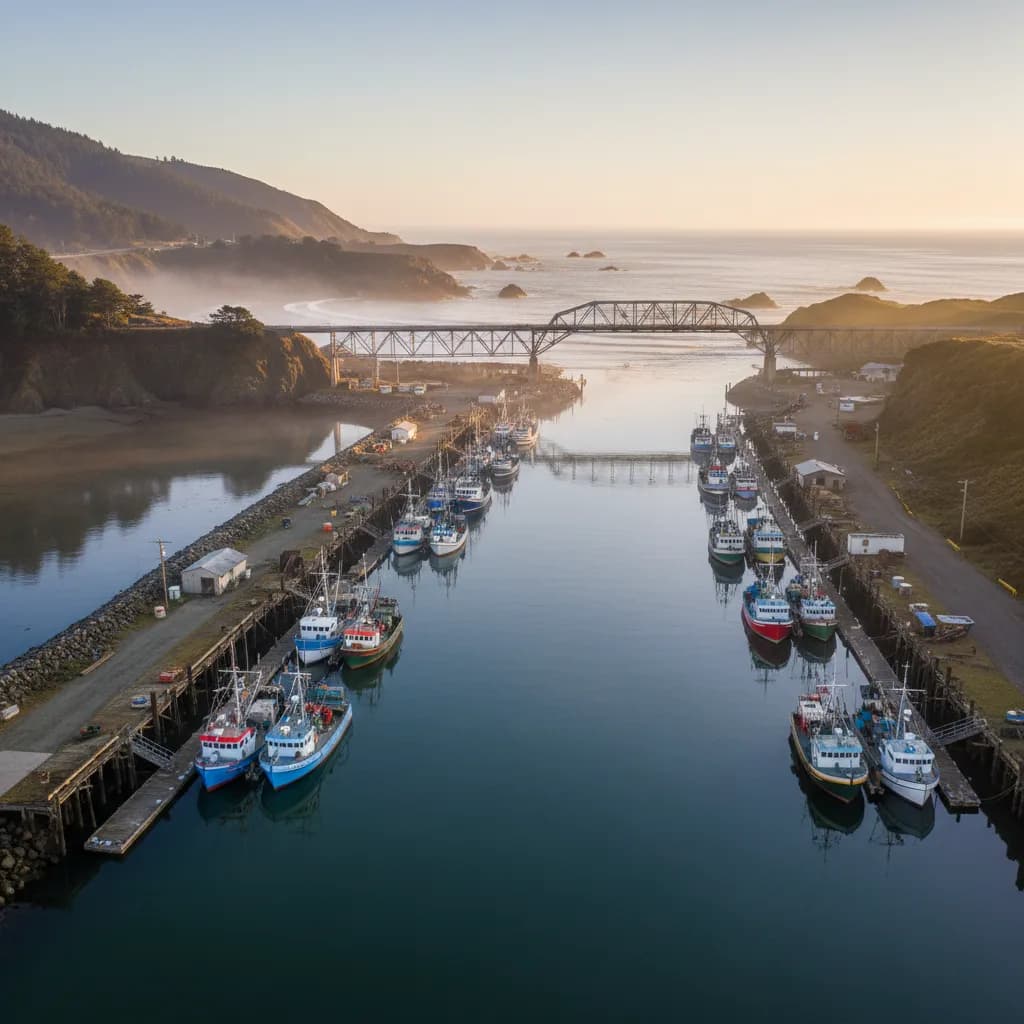
The Mendocino Coast's rugged shoreline opens briefly at the mouth of the Noyo River, creating one of California's most authentic working harbors. The region now known as Noyo Harbor sits on the ancestral homeland of the Pomo people, who for thousands of years harvested salmon, smelt, and shellfish from these protected waters. The name "Noyo" itself derives from the Central Pomo word for "under the nose," describing the river's geographic position beneath the coastal headlands. When European settlers arrived in the 1850s, they recognized what indigenous peoples had long known: this natural harbor offered rare shelter along an otherwise treacherous coastline. Today, Noyo Harbor remains one of the few places on the Mendocino Coast where visitors can witness commercial fishing as a living tradition rather than a museum exhibit.
A Maritime Heritage Rooted in Necessity
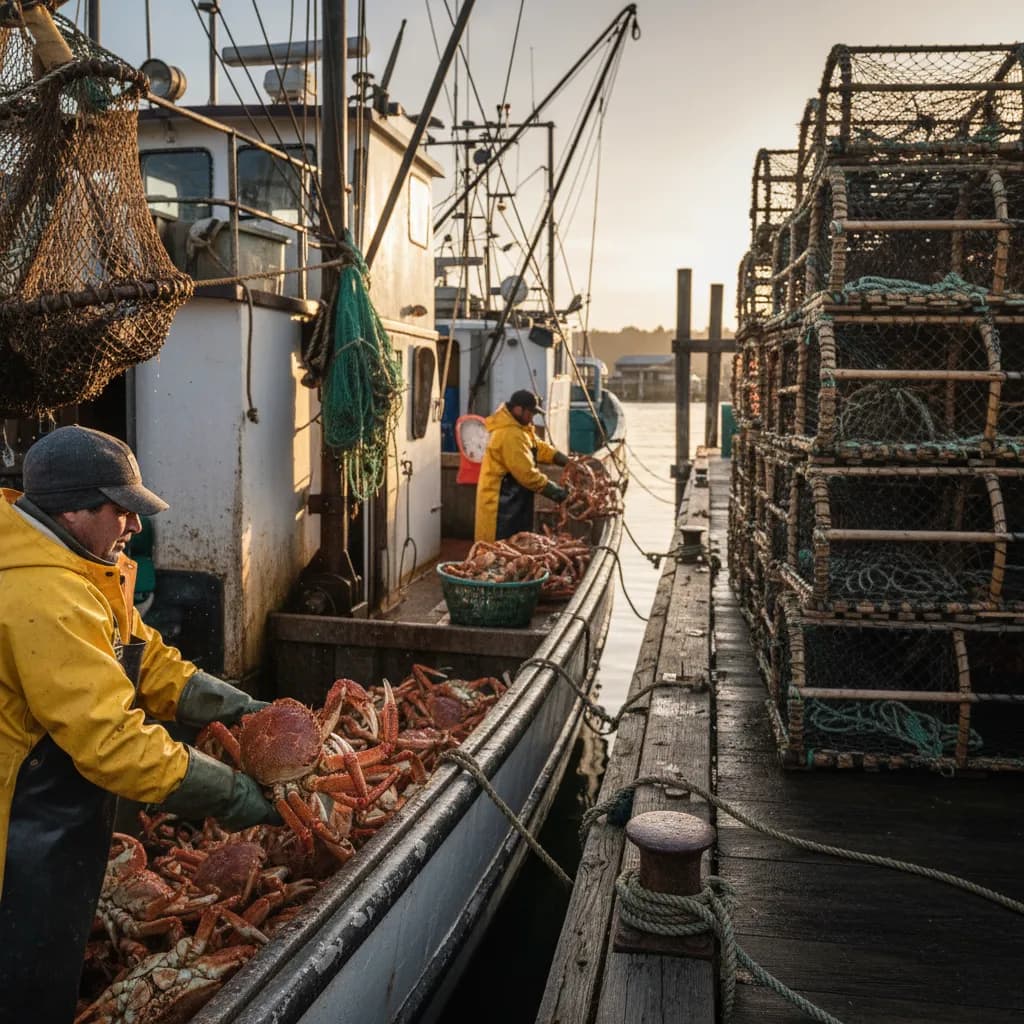
The development of Noyo Harbor as a commercial fishing center began in earnest during the 1850s, when Fort Bragg emerged as a military garrison and lumber town. The Union Lumber Company recognized the harbor's potential for shipping redwood timber, constructing the first commercial wharf in 1885. By the early 1900s, the fishing fleet had grown to include Italian, Portuguese, and Scandinavian immigrants who brought generations of maritime knowledge to these waters. These fishermen pursued salmon, rockfish, and the lucrative Dungeness crab that thrived in the cold California Current.
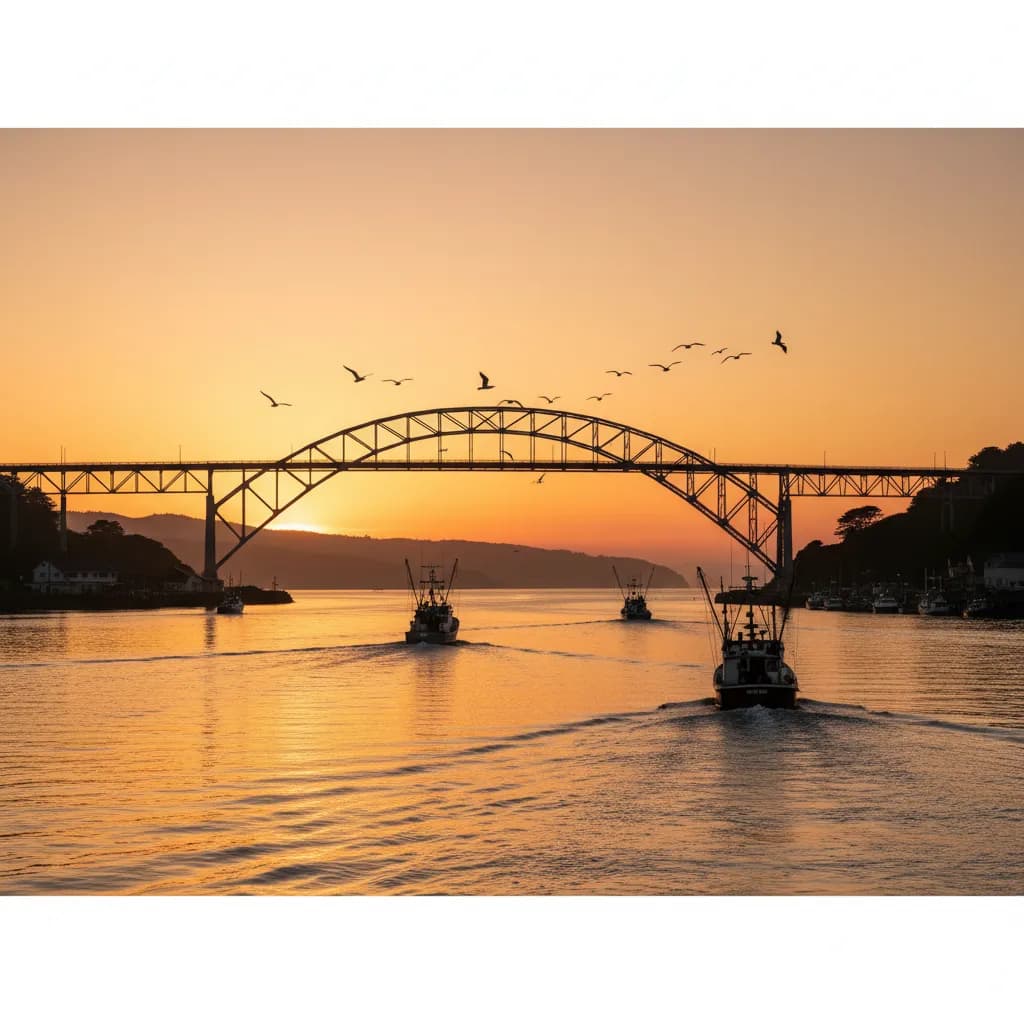
The construction of the iconic Noyo Harbor bridge in 1960 connected the north and south shores, transforming access to the fishing village while preserving its working character. Unlike the gentrified waterfronts of many coastal towns, Noyo Harbor maintained its industrial authenticity through boom and bust cycles. The harbor weathered the collapse of the salmon fishery in the 1990s, adapting to focus on Dungeness crab, black cod, and rockfish species that could sustain responsible harvest levels.
Today's fishing fleet represents the fourth and fifth generations of families who have worked these waters. Approximately 30 to 40 commercial vessels call Noyo Harbor home, ranging from small crab boats to larger trawlers capable of multi day trips. The maritime culture here remains distinctly working class, where the smell of diesel fuel and fish processing mingles with salt air, and fishermen still mend nets on weathered docks.
Fresh Seafood and the Rhythm of the Seasons
The commercial fishing calendar at Noyo Harbor follows nature's rhythms with precision. Dungeness crab season, running from November through June, defines the economic heartbeat of the harbor. Visitors during these months witness boats departing before dawn and returning by afternoon, their decks piled with crab pots and the day's catch. The fresh seafood available at harborside markets during crab season represents some of the highest quality available anywhere on the Pacific Coast, often processed within hours of leaving the water.
Summer months shift focus to salmon when seasons open, though strict regulations now protect diminished runs. Black cod, rockfish, and albacore tuna round out the year's harvest. Several businesses along the harbor offer fresh seafood directly to visitors, including Noyo Harbor Fish Company and other seasonal vendors who sell straight from the boats. The experience of purchasing fish that was swimming in the Pacific that same morning connects visitors to food systems that have sustained coastal communities for generations.
The harbor's restaurants capitalize on this access to fresh seafood, with establishments like the Noyo Harbor Inn and Silver's at the Wharf serving dishes that showcase the day's catch. For visitors seeking the full Fort Bragg culinary experience, the short drive uphill to downtown offers additional options. After a morning exploring the working docks and purchasing fresh crab, many visitors head to Mercato Bakery on Franklin Street, where authentic Italian coffee and pastries provide a warm contrast to the harbor's brisk maritime atmosphere.
Visiting Noyo Harbor: Practical Information
Noyo Harbor sits approximately two miles south of downtown Fort Bragg, easily accessed via North Harbor Drive from Highway 1. The harbor area includes both north and south shore access, connected by the steel bridge that has become a local landmark. Parking is available in several small lots along both shores, with the south side offering closer access to most seafood vendors and restaurants.
The harbor welcomes visitors year round, though the experience varies dramatically by season. Fall and winter bring the clearest weather of the year, with September through November offering ideal conditions for observing fishing fleet activity without summer's crowds. This period coincides with preparations for the November crab season opening, when the harbor buzzes with anticipation. Spring months see the fishing fleet at peak activity, with crab season in full swing and boats making daily runs.
Walking the harbor docks requires respect for working spaces. Visitors should stay clear of active loading areas and recognize that fishermen are engaged in demanding, sometimes dangerous work. The public walkways offer excellent vantage points for observation and photography without interfering with maritime operations. Several charter fishing operations also work from Noyo Harbor, offering visitors the chance to experience commercial fishing techniques firsthand on half day or full day trips.
Beyond the Harbor: Connecting to Fort Bragg's Story
Noyo Harbor exists as part of Fort Bragg's larger narrative, a town that has reinvented itself multiple times while maintaining connection to resource extraction industries. The harbor's continued operation as a working fishing village provides economic diversity and cultural authenticity that distinguishes Fort Bragg from more tourist dependent coastal communities.
The harbor sits within easy reach of Fort Bragg's other attractions, including the Mendocino Coast Botanical Gardens three miles north and Glass Beach, where decades of dumped glass have been tumbled smooth by the Pacific. MacKerricher State Park borders Fort Bragg to the north, offering tide pools, seal watching, and coastal trails. Russian Gulch State Park and Van Damme State Park lie within 15 miles south, both requiring the $8 per vehicle day use fee standard for California State Parks.
The maritime culture of Noyo Harbor connects to broader Mendocino Coast traditions celebrated through annual events. Paul Bunyan Days each September honors the region's logging heritage with a parade, logging competitions, and community gatherings. The fall Mushroom, Wine & Beer Festival showcases the culinary abundance that draws from both land and sea.
Preserving a Working Waterfront
Noyo Harbor faces the same pressures confronting working waterfronts throughout California. Rising property values, environmental regulations, and declining fish stocks challenge the economic viability of small scale commercial fishing. Yet the community has repeatedly chosen to preserve the harbor's working character, recognizing that authentic maritime culture cannot be recreated once lost.
Visitors to Noyo Harbor witness an increasingly rare sight: a coastal community still shaped by the ocean's productivity rather than its scenic value alone. The fishing fleet represents more than picturesque boats and fresh seafood. It embodies generations of knowledge about weather patterns, fish behavior, and sustainable harvest practices. By supporting harbor businesses and respecting working spaces, visitors participate in preserving this maritime heritage for future generations.
The drive along Highway 1 to reach Fort Bragg and Noyo Harbor takes four to five hours from San Francisco, but the journey rewards those seeking authentic coastal California. Here, the Pacific Ocean remains a working landscape, and the fishing village continues traditions that connect directly to the Pomo peoples who first recognized these waters' abundance thousands of years ago.
The Mendocino Coastal Chronicle documents the natural beauty, cultural heritage, and historical significance of the Mendocino Coast for visitors, students, and researchers. Our articles combine historical research, ecological science, and cultural appreciation to celebrate this unique region.
Educational Resources: For current visitor information, hours, and fees, please contact local visitor centers and state park offices. Conditions and regulations may change seasonally.
Indigenous Acknowledgment: The Mendocino Coast is the ancestral homeland of the Pomo and Yuki peoples, who have stewarded these lands for thousands of years. We honor their continuing connection to this place.
Published by the Mendocino Coastal Chronicle | Educational content for the appreciation and understanding of California's North Coast heritage.