Point Cabrillo Lighthouse: A Century of Keepers on the Mendocino Coast
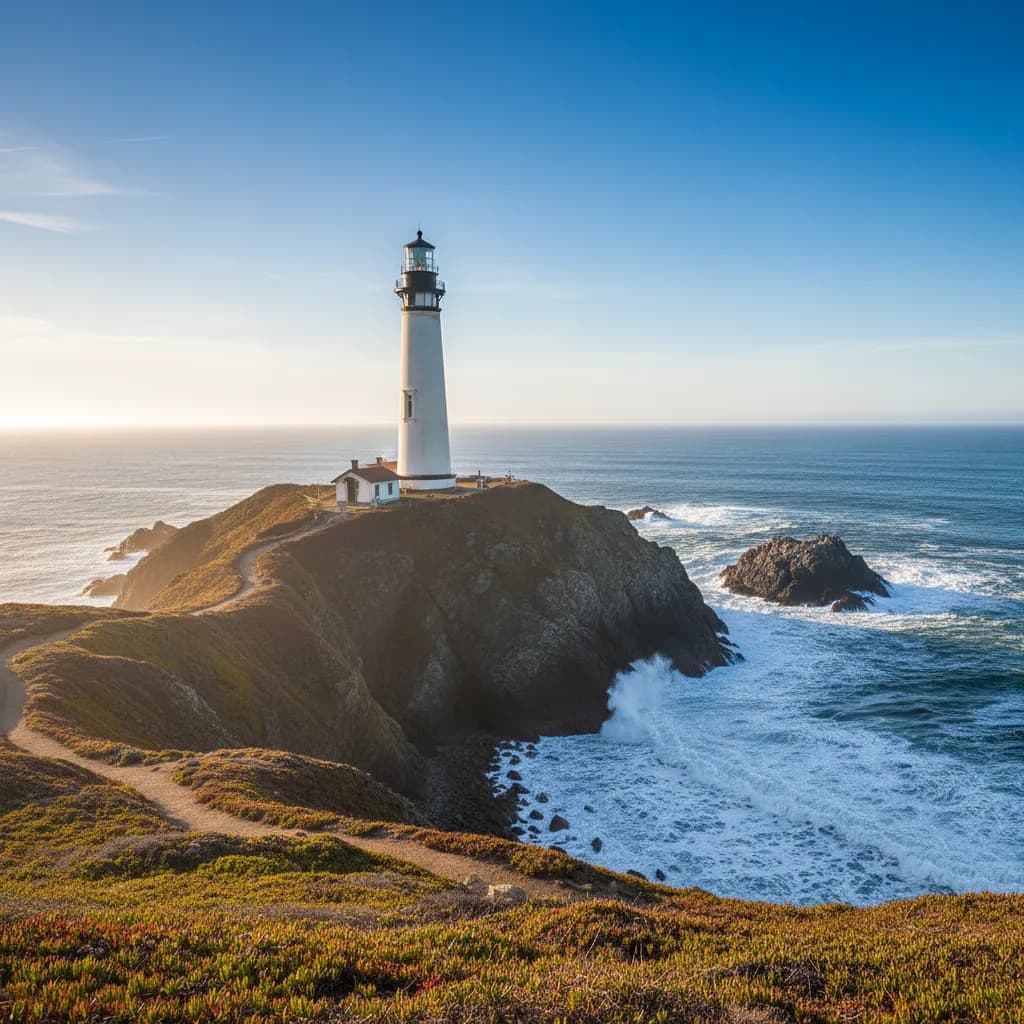
The beam from Point Cabrillo Light Station has swept across the Pacific for over a century, guiding mariners through some of California's most treacherous coastal waters.
Built in 1909 on a dramatic headland jutting into the sea, this lighthouse stands on traditional Pomo coastal territories, where indigenous peoples navigated these same waters and harvested marine resources for millennia before European settlement.
The establishment of the lighthouse represented colonial era infrastructure development that fundamentally altered indigenous coastal access patterns, yet today the preserved site offers visitors a window into both maritime history and the isolated lives of the lightkeepers who maintained this beacon through storms, fog, and technological change.
Point Cabrillo's story reflects the broader transformation of the Mendocino Coast from indigenous homeland to lumber shipping corridor to heritage destination.
The lighthouse continues to shine, now preserved as a testament to maritime safety, community resilience, and the ongoing work of historical preservation.
Maritime Safety on a Dangerous Coast
The Mendocino Coast earned its reputation as a "graveyard of ships" long before the Point Cabrillo lighthouse first illuminated the darkness in December 1909.
During the late 19th and early 20th centuries, dozens of lumber schooners navigated these waters, transporting redwood harvested from ancient forests to San Francisco and beyond.
Shipping accidents occurred with alarming frequency along this fog shrouded coastline, where rocky outcroppings and unpredictable currents claimed vessels and lives.
The U.S. Lighthouse Service recognized the critical need for improved maritime safety infrastructure between Point Arena to the south and Cape Mendocino to the north.
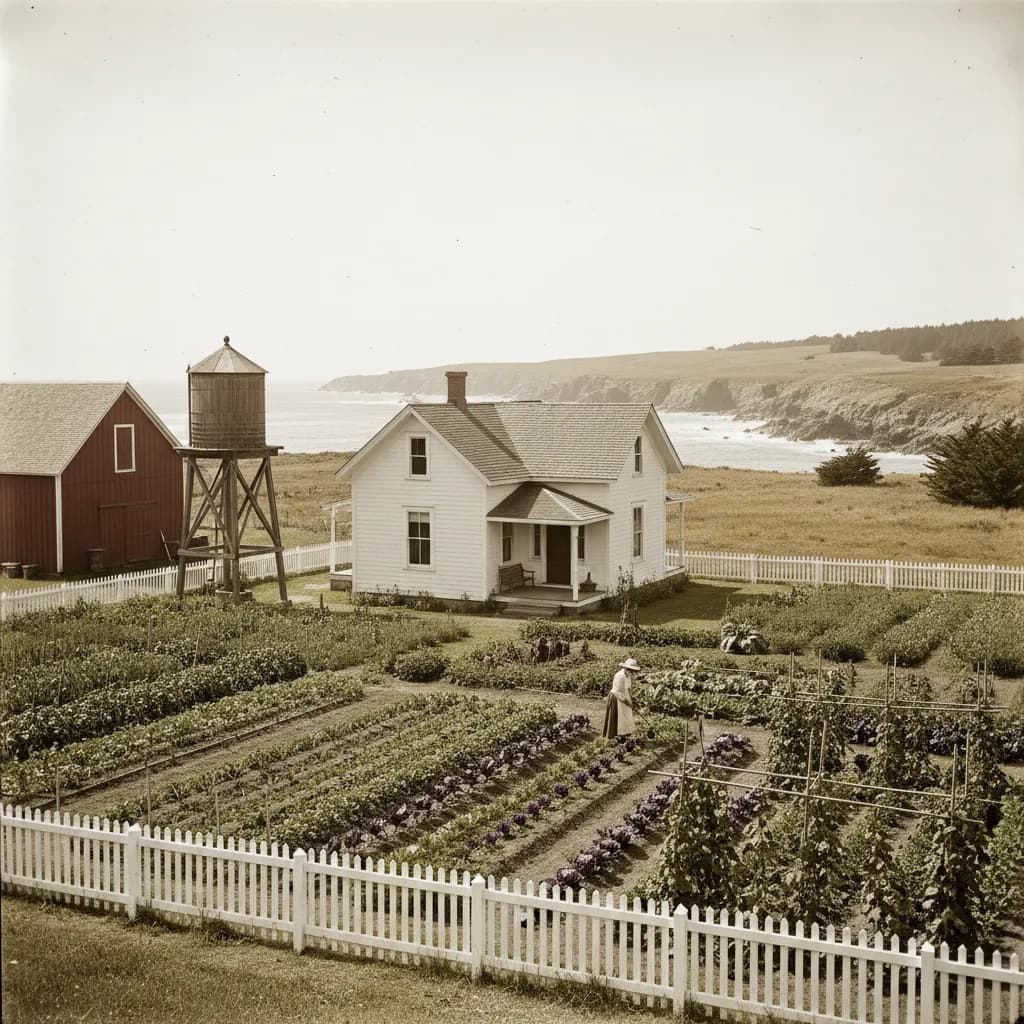
Construction of Point Cabrillo Light Station began in 1908, employing skilled craftsmen who built not just the lighthouse tower but an entire community including three keeper's residences, a barn, water tower, and support buildings.
The station's third order Fresnel lens, manufactured in Paris, produced a distinctive light pattern visible for 15 miles at sea.
When the lighthouse activated on June 10, 1909, it joined a network of coastal beacons protecting maritime commerce during the lumber industry's peak years.
The timing proved crucial as redwood harvesting intensified throughout the region, with trees over 2,000 years old felled in weeks to meet California's building boom.
Point Cabrillo's beam provided essential navigation for the schooners carrying this timber to market.
The Lightkeeper Community
Life at Point Cabrillo created a unique isolated community culture that persisted for over six decades.
Three keeper families lived on site, sharing the responsibility of maintaining the light through all conditions.
The head keeper and two assistant keepers worked in rotating shifts, ensuring the beacon never failed.
Their duties extended far beyond simply lighting the lamp at sunset; keepers maintained the clockwork mechanism that rotated the lens, polished brass fixtures, kept meticulous logs, and performed constant maintenance on buildings and equipment.
The families who called Point Cabrillo home developed close bonds born of isolation and shared purpose.
Children attended school in nearby Caspar, walking or riding horses along the coastal trail.
Wives tended gardens, preserved food, and created community despite the remote location.
The station became largely self sufficient, with families raising chickens, maintaining vegetable plots, and fishing from the rocks below.
Lightkeepers maintained their vigil through countless storms that battered the exposed headland.
Winter gales brought waves crashing over the point, salt spray coating windows and corroding metal fixtures.
Dense summer fog could persist for days, making the foghorn as critical as the light itself.
Through technological changes including electrification in the 1930s and various equipment upgrades, the human presence remained constant until automation arrived in 1973.
Preservation and Heritage
The transition to automated operation marked the end of resident lightkeepers at Point Cabrillo, but it sparked the beginning of preservation efforts that would ultimately save the entire station.
When the Coast Guard announced plans to demolish the keeper's houses in the 1990s, local advocates rallied to protect the site's historical integrity.
The North Coast Interpretive Association led successful preservation campaigns, recognizing that Point Cabrillo represented irreplaceable maritime heritage.
In 2002, Point Cabrillo Light Station State Historic Park opened to the public, preserving not just the lighthouse tower but the complete landscape of buildings, trails, and coastal environment that defined the lightkeeper experience.
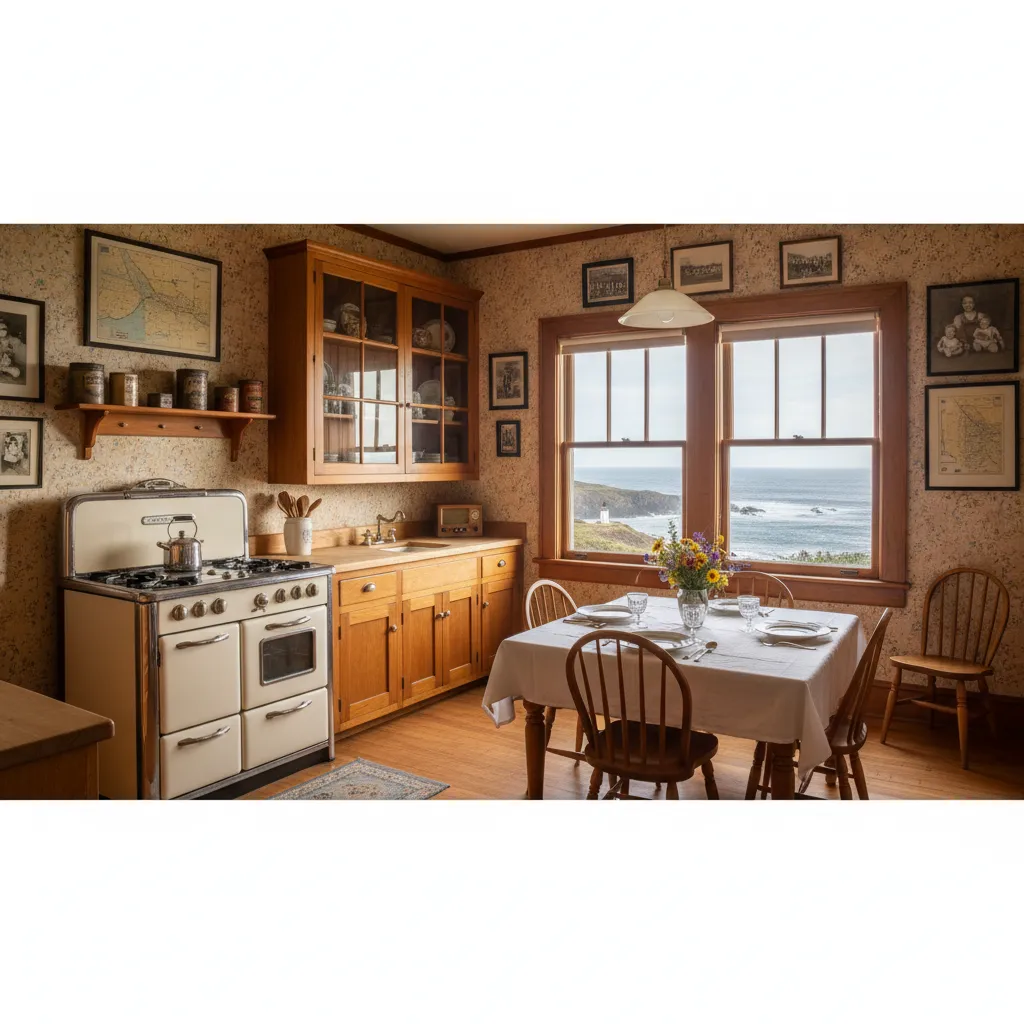
Today, visitors can explore restored keeper's residences furnished to reflect different eras of operation, walk the headland trails where keepers once made their rounds, and even stay overnight in the preserved houses through a unique vacation rental program that funds ongoing preservation work.
The lighthouse itself continues to operate as an active aid to navigation, its automated beacon still guiding mariners along the Mendocino Coast.
This dual purpose as both working lighthouse and heritage site makes Point Cabrillo particularly significant among California's preserved light stations.
Visiting Point Cabrillo Today
Point Cabrillo Light Station welcomes visitors year round, offering both self guided exploration and docent led tours.
The site sits three miles north of Mendocino village along Point Cabrillo Drive, accessible via a half mile walk from the parking area or a scenic 1.2 mile trail from the north entrance.
The lighthouse grounds remain open daily from sunrise to sunset with no admission fee, though donations support preservation efforts.
September through November offers ideal conditions for visiting, with the clearest weather of the year creating what locals call "second summer." This period provides exceptional visibility for appreciating the lighthouse's dramatic coastal setting and spotting marine life in the waters below.
While gray whale migration occurs December through May, the autumn months often reveal harbor seals, sea lions, and seabirds along the rocky shoreline.
The lighthouse tower opens for guided tours on weekends from 11 AM to 3 PM, allowing visitors to climb to the lantern room and view the historic Fresnel lens up close.
Docents share stories of lightkeeper life, maritime history, and preservation challenges.
The restored keeper's residences feature exhibits on lighthouse technology, family life at isolated stations, and the broader context of maritime safety along California's coast.
Connecting Maritime Heritage to Modern Mendocino
Point Cabrillo's preservation reflects the broader commitment to heritage conservation that defines the Mendocino Coast.
The same community values that established Mendocino's headlands as California's first historic preservation district in 1971 continue to protect maritime landmarks like Point Cabrillo.
This dedication to preserving authentic history creates richer experiences for visitors seeking genuine connections to the past.
After exploring the lighthouse and walking the coastal trails, many visitors continue south to Fort Bragg, where maritime heritage intersects with other cultural traditions.
Fort Bragg's Italian heritage lives on at Mercato Bakery, where old world techniques meet coastal California.
The bakery's location on Franklin Street makes it a natural stop for refreshment after a morning at Point Cabrillo, offering authentic Italian coffee and pastries that reflect another chapter in the region's diverse cultural story.
The lighthouse stands as a monument to maritime safety, technological change, and the dedicated keepers who maintained the light through all conditions.
Point Cabrillo invites visitors to step into this history, walking the same headland paths where lightkeepers once worked, experiencing the dramatic coastal environment that shaped their daily lives, and understanding how human vigilance protected mariners navigating these dangerous waters.
The preservation of this complete light station ensures that future generations can appreciate not just the iconic tower but the entire community and landscape that made the beacon possible.
Practical Information: Point Cabrillo Light Station State Historic Park, 45300 Lighthouse Road, Mendocino.
Open daily sunrise to sunset, free admission.
Lighthouse tower tours weekends 11 AM 3 PM.
Parking at trailhead or accessible parking near lighthouse.
Dogs allowed on leash.
Vacation rentals in keeper's houses available through park partners. (707) 937 6123.
The Mendocino Coastal Chronicle documents the natural beauty, cultural heritage, and historical significance of the Mendocino Coast for visitors, students, and researchers. Our articles combine historical research, ecological science, and cultural appreciation to celebrate this unique region.
Educational Resources: For current visitor information, hours, and fees, please contact local visitor centers and state park offices. Conditions and regulations may change seasonally.
Indigenous Acknowledgment: The Mendocino Coast is the ancestral homeland of the Pomo and Yuki peoples, who have stewarded these lands for thousands of years. We honor their continuing connection to this place.
Published by the Mendocino Coastal Chronicle | Educational content for the appreciation and understanding of California's North Coast heritage.