The Fog That Feeds the Forest: Understanding Mendocino's Coastal Fog
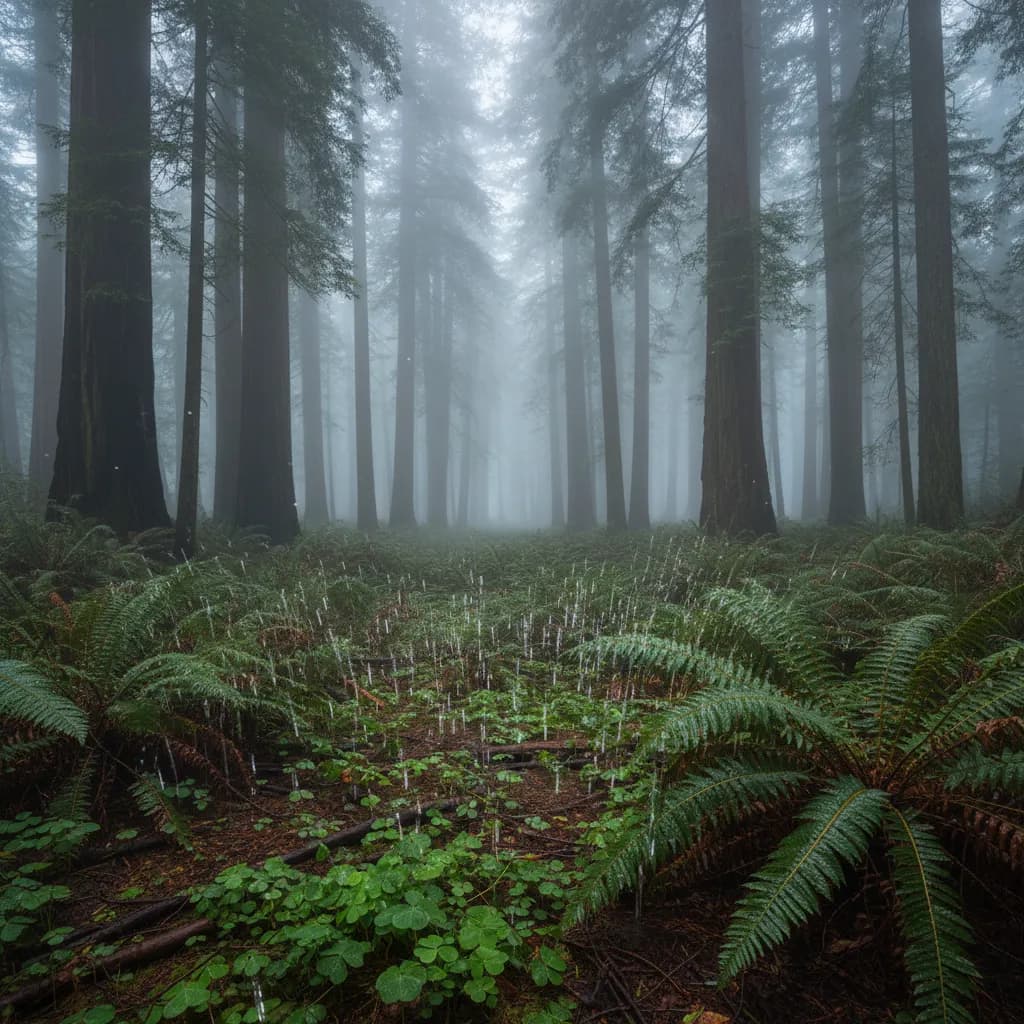
The Mendocino Coast awakens each morning beneath a thick blanket of coastal fog, a phenomenon so reliable that indigenous Pomo and Yuki peoples wove its rhythms into their seasonal calendars for thousands of years. This marine layer, rolling inland from the Pacific Ocean, doesn't merely obscure the landscape. It sustains an entire ecosystem. The towering coast redwoods that define this region's character survive California's dry summers not through rainfall alone, but through a remarkable process called fog drip, where moisture condenses on needles and falls to the forest floor like gentle rain. Scientists estimate that fog contributes up to 40 percent of the water that sustains these ancient forests, making the Mendocino Coast's microclimate one of the most ecologically significant weather patterns in North America.
The Science Behind the Marine Layer
The coastal fog that defines summer mornings along the Mendocino Coast forms through a precise meteorological dance between ocean and atmosphere. As California's Central Valley heats during summer months, rising warm air creates low pressure that pulls cool marine air inland. This incoming air passes over the cold California Current, which flows southward along the coast carrying frigid water from the Gulf of Alaska. When warm, moisture laden air meets the cold ocean surface, water vapor condenses into millions of tiny droplets, creating the dense marine layer that can extend hundreds of feet thick.
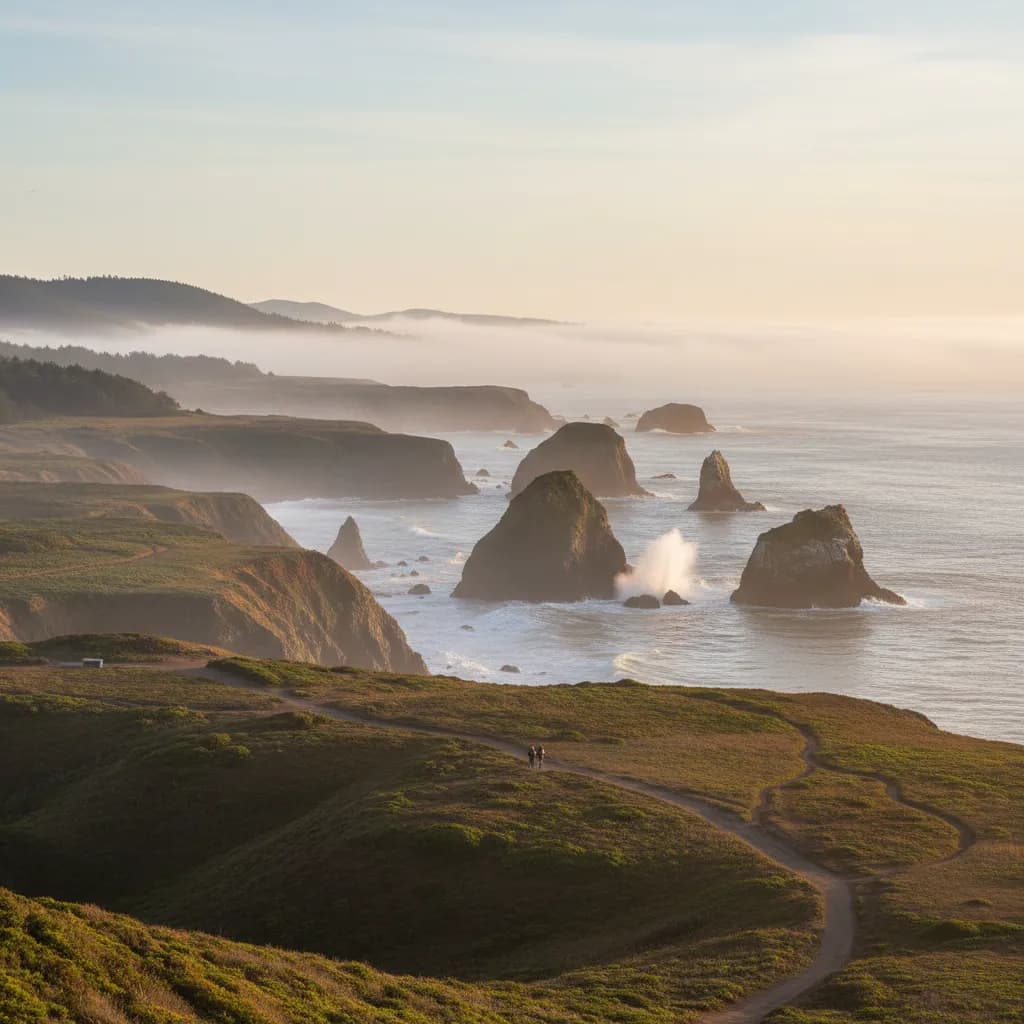
The San Andreas Fault, running 25 miles offshore, has shaped the dramatic coastal topography that channels this fog inland. Ancient marine terraces, uplifted over millennia, create natural corridors where fog flows through coastal valleys and redwood canyons. The Mendocino Headlands, California's first historic preservation district established in 1971, offers visitors spectacular vantage points to watch this daily phenomenon unfold as fog pours over bluffs and through sea caves.
How Fog Drip Sustains Redwood Ecology
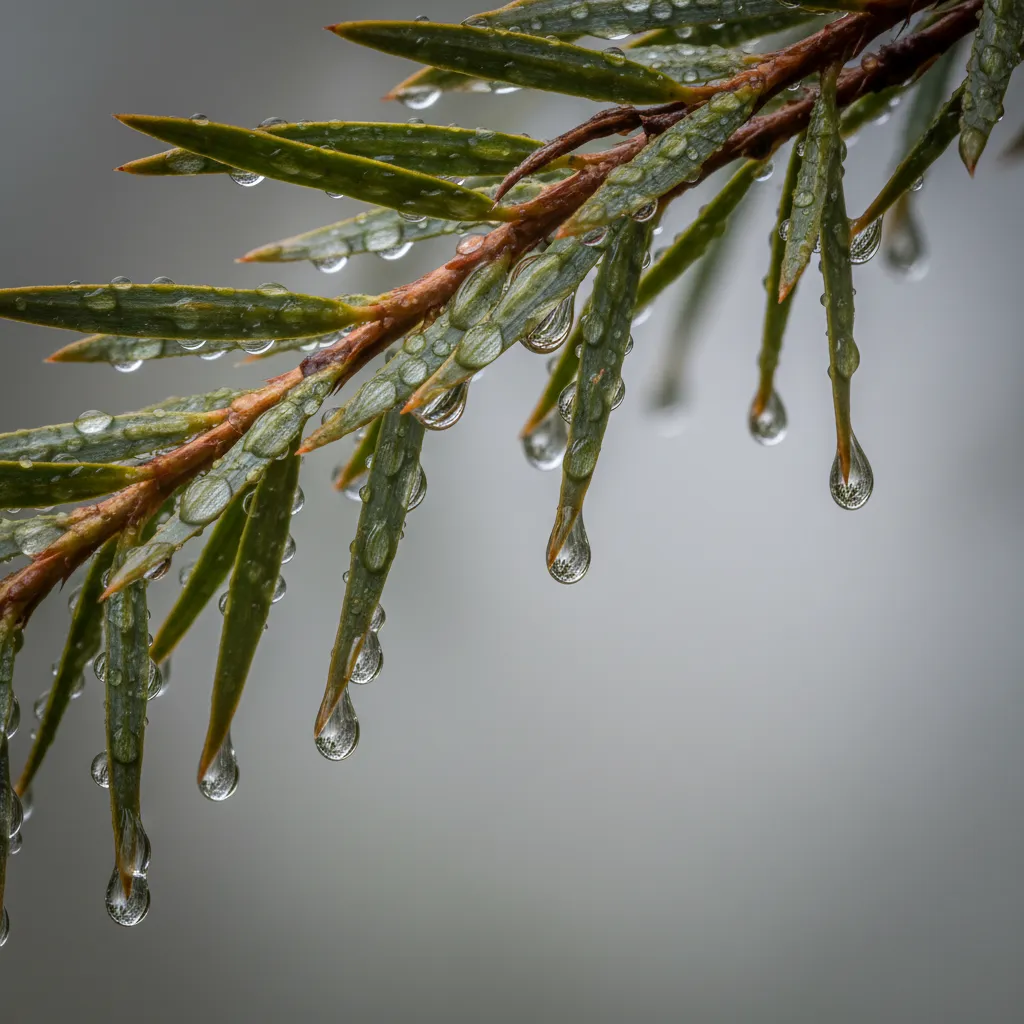
Coast redwoods have evolved a sophisticated relationship with the marine layer over millions of years. Their needle like leaves feature a waxy coating designed to capture microscopic water droplets from passing fog. As droplets accumulate, they merge and fall to the forest floor, effectively creating precipitation during California's bone dry summers. This fog drip can deposit the equivalent of 10 to 20 inches of rainfall annually in coastal redwood forests, a critical supplement to the region's water cycle.
The microclimate created by this fog interaction extends far beyond the redwoods themselves. Sword ferns, redwood sorrel, and countless other understory plants depend on the consistent moisture and cooler temperatures the marine layer provides. Salamanders, banana slugs, and spotted owls thrive in this humid environment. Without coastal fog, the iconic redwood forests would retreat significantly inland, fundamentally altering the Mendocino Coast's ecological character.
Cultural and Historical Perspectives
Pomo peoples recognized the fog's life giving properties long before Western science documented fog drip and redwood ecology. Traditional ecological knowledge passed through generations identified which plants thrived in fog zones and when coastal resources would be most abundant. The cool, moist conditions created by the marine layer influenced seasonal movements and harvesting practices throughout the year.
European settlers arriving in the 1850s initially viewed the coastal fog as an impediment to agriculture and logging operations. Early timber companies, however, quickly learned that the same fog that obscured their work sustained the massive redwoods they sought to harvest. The town of Mendocino, established in 1850 as a lumber port, developed a cultural relationship with fog that persists today. Locals refer to the September through November period as "second summer," when the marine layer retreats and the coast experiences its clearest, warmest weather of the year.
Fort Bragg's downtown historic district reflects this fog adapted culture in its architecture and daily rhythms. The Italian coffee culture at Mercato Bakery on Franklin Street provides a warm contrast to foggy mornings, where locals and visitors gather over espresso and pastries while waiting for the marine layer to burn off by midday. This tradition of morning gathering places emerged naturally in a community where fog dictates daily schedules.
Visiting During Fog Season
Understanding the coastal fog's patterns enhances any visit to the Mendocino Coast. The marine layer typically arrives in late afternoon or evening during summer months, blanketing the coast until mid morning. Visitors planning outdoor activities should schedule them for afternoon hours when fog has lifted, revealing the dramatic headlands and coastal vistas. Photography enthusiasts, however, prize early morning fog for the ethereal quality it lends to redwood groves and coastal scenes.
Several locations offer exceptional fog viewing experiences. Mendocino Headlands State Park provides free access to coastal bluffs where visitors can watch fog interact with sea stacks and blowholes. The park's trails remain open from dawn to dusk year round, with parking available along Heeser Drive and Main Street. Russian Gulch State Park, located two miles north of Mendocino village, features a waterfall trail that winds through fog drenched redwood groves where fog drip is readily observable.
The Pygmy Forest in Van Damme State Park offers a fascinating contrast to fog nourished redwoods. Here, acidic soil and an impermeable hardpan layer stunt 100 year old trees to just six feet tall, demonstrating how soil conditions can override the benefits of the marine layer. The half mile interpretive trail includes educational signage explaining this unique microclimate, accessible via Airport Road off Highway 1.
Seasonal Variations and Climate Concerns
The coastal fog's intensity and duration vary significantly by season. Summer months bring the densest, most persistent marine layer, while the September through November "second summer" period sees fog retreat to morning hours or disappear entirely for days. Winter storms replace fog with rain, completing the water cycle that sustains the region's temperate rainforest character.
Climate scientists monitoring the California coast have documented concerning changes in fog patterns over recent decades. Some studies suggest the marine layer has decreased in frequency and duration, potentially stressing redwood ecology adapted to consistent fog drip. The long term implications remain uncertain, but researchers emphasize the importance of protecting existing redwood forests as climate conditions shift.
Mushroom foraging season, beginning in autumn as fog diminishes and rains arrive, demonstrates the interconnected nature of the region's water cycle. Chanterelles, boletes, and other prized species emerge in the same coastal forests sustained by summer fog, creating a year round relationship between moisture, forest health, and human harvesting traditions. Permits are required for foraging on public lands, available through California State Parks.
Planning Your Fog Exploration
Visitors seeking to understand and experience the coastal fog's ecological role should plan multiple day trips, as weather patterns shift rapidly. Local tide tables and weather forecasts provide useful planning information, though the marine layer often defies prediction. Layered clothing proves essential, as temperatures can swing 20 degrees when fog lifts.
The Mendocino Coast Botanical Gardens, located south of Fort Bragg, showcases how cultivated plants adapt to fog conditions. The 47 acre garden remains open daily except during winter holidays, with admission fees supporting ongoing conservation work. Coastal trail access is included with garden admission, offering fog viewing opportunities combined with horticultural education.
Anderson Valley, located 30 miles inland from the coast, marks the approximate eastern limit of regular marine layer intrusion. The valley's wine grape harvest during autumn months benefits from summer fog that moderates temperatures in coastal vineyards while leaving inland areas warmer and drier. This microclimate variation creates distinct wine characteristics, with coastal influenced Pinot Noir showing different profiles than warmer site fruit.
The coastal fog that shrouds the Mendocino Coast each summer morning represents far more than atmospheric moisture. It embodies a complex ecological relationship millions of years in development, sustains forests that define the region's character, and shapes the cultural rhythms of communities adapted to its presence. Whether watching fog pour through redwood canyons or waiting at a downtown cafe for skies to clear, visitors who understand this marine layer phenomenon gain deeper appreciation for the intricate systems that make the Mendocino Coast unique among California's coastal regions.
The Mendocino Coastal Chronicle documents the natural beauty, cultural heritage, and historical significance of the Mendocino Coast for visitors, students, and researchers. Our articles combine historical research, ecological science, and cultural appreciation to celebrate this unique region.
Educational Resources: For current visitor information, hours, and fees, please contact local visitor centers and state park offices. Conditions and regulations may change seasonally.
Indigenous Acknowledgment: The Mendocino Coast is the ancestral homeland of the Pomo and Yuki peoples, who have stewarded these lands for thousands of years. We honor their continuing connection to this place.
Published by the Mendocino Coastal Chronicle | Educational content for the appreciation and understanding of California's North Coast heritage.