The Pygmy Forest: Where Ancient Trees Grow Only Waist-High
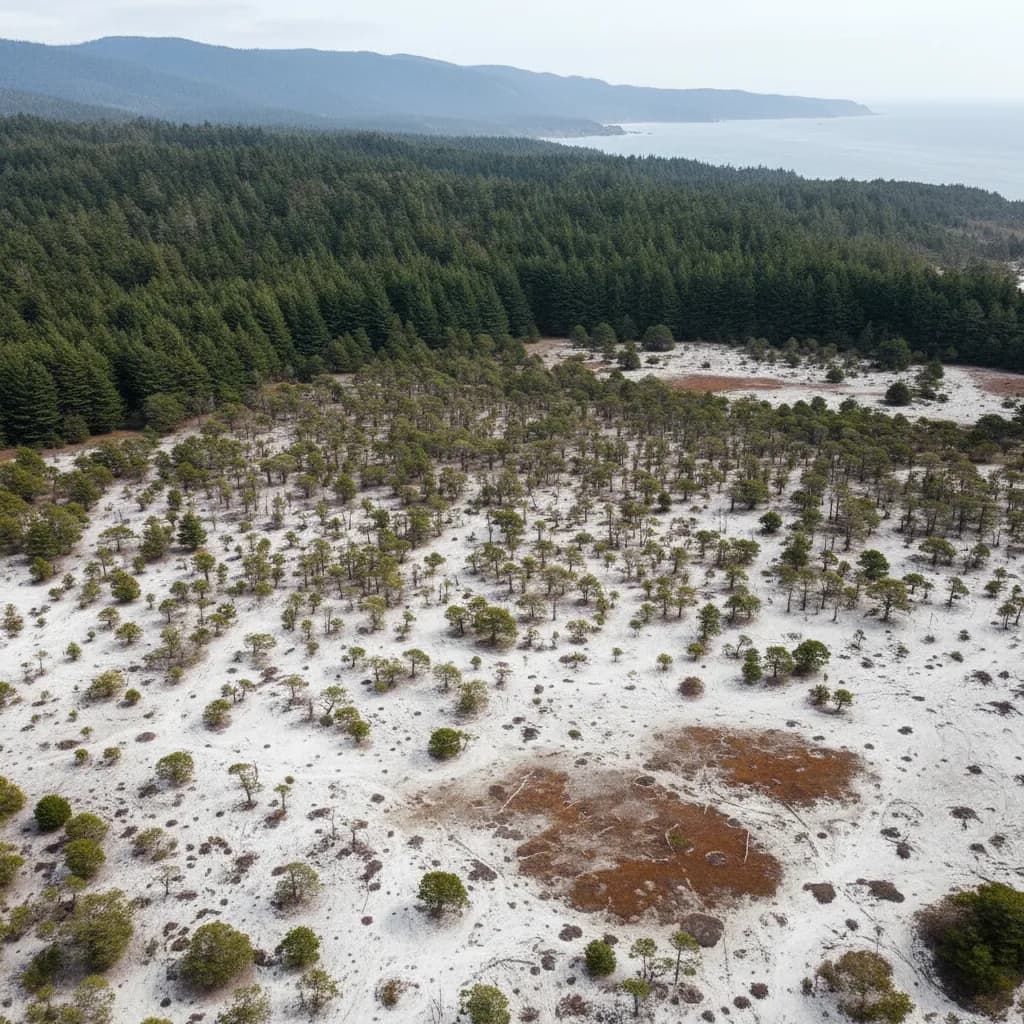
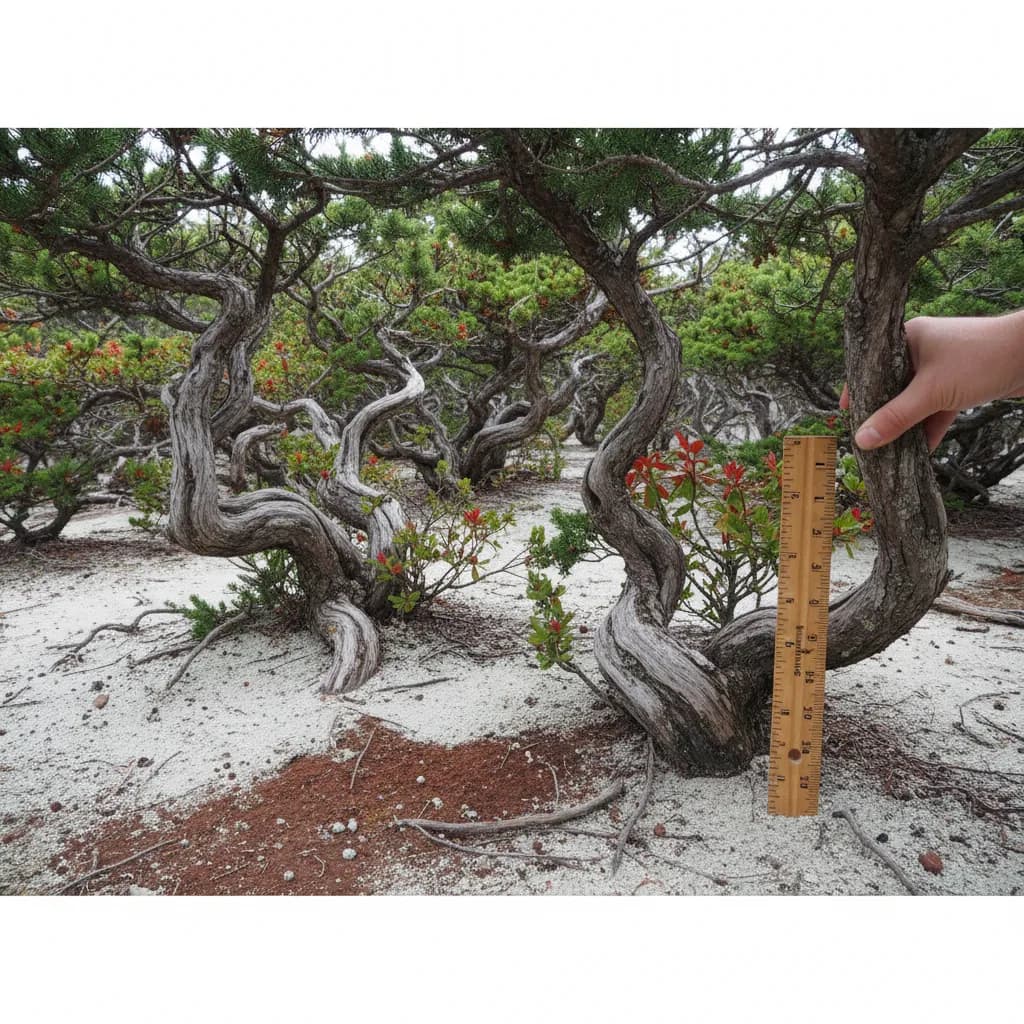
The Mendocino Coast harbors one of North America's most peculiar botanical mysteries. Within Jug Handle State Reserve, just north of Caspar, ancient cypress and pine trees stand frozen in miniature, their gnarled trunks barely reaching knee height despite being decades or even centuries old. This is the Pygmy Forest, where extreme soil chemistry creates conditions so harsh that full grown trees remain permanently dwarfed, their roots clinging to one of the planet's most nutrient poor substrates. Long before European settlers marveled at these botanical oddities, the Pomo people knew these coastal terraces as part of their ancestral homeland, recognizing the distinct character of lands shaped by ocean, time, and geological forces. Today's visitors who walk among these miniature giants encounter a living laboratory of ecological adaptation and geological wonder.
The Ecological Staircase: A Journey Through Time
The Pygmy Forest exists as the dramatic culmination of what geologists call the ecological staircase, a rare geological phenomenon visible at Jug Handle State Reserve. This natural wonder consists of five distinct marine terraces, each representing a different era of coastal uplift. As tectonic forces gradually raised the coastline over the past 500,000 years, each terrace became a frozen snapshot of time, with the oldest and highest terrace now hosting the Pygmy Forest.
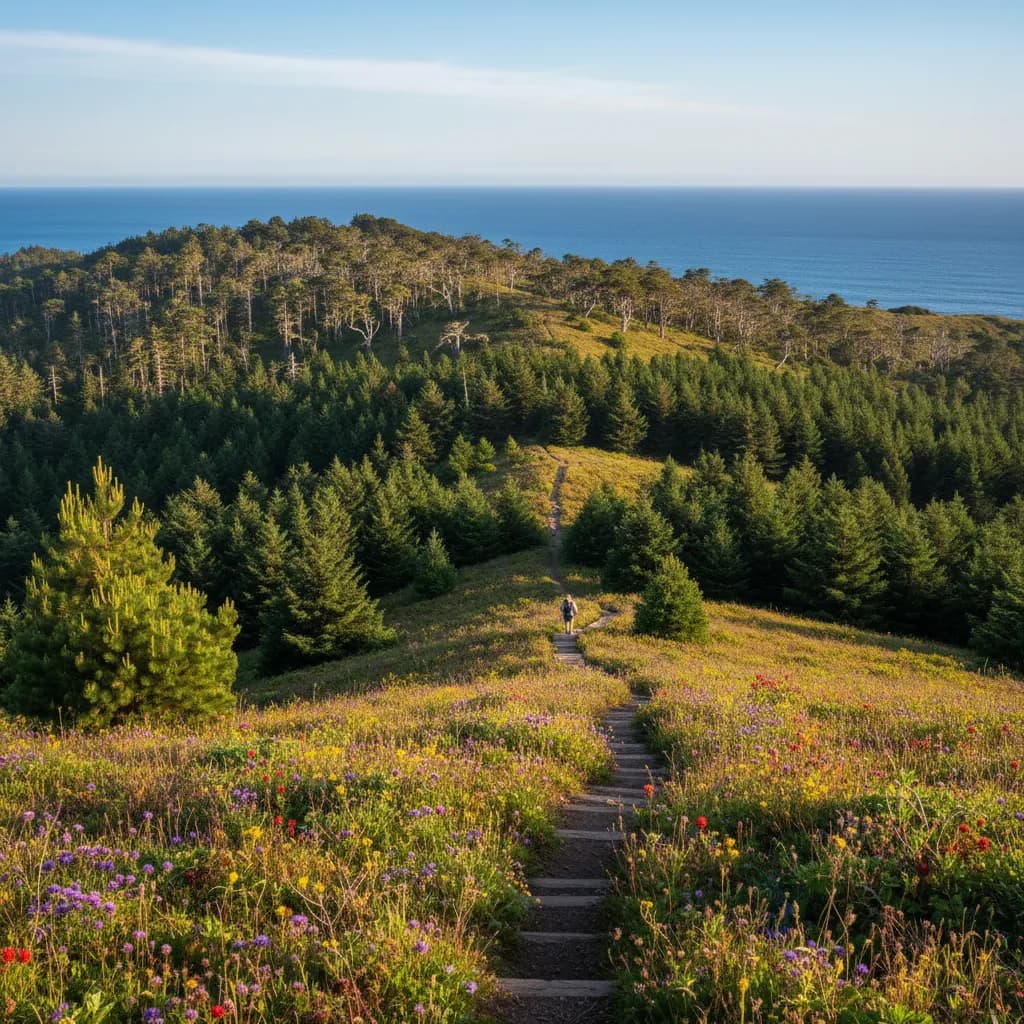
The ecological staircase functions as a walk through evolutionary time. The youngest terrace, closest to the ocean, supports lush coastal prairie grasses and wildflowers. Moving inland and upward, visitors progress through successive terraces, each approximately 100,000 years older than the last. The second terrace features bishop pine forest, while the third supports dense Douglas fir. The fourth terrace shows signs of nutrient depletion, with trees beginning to show stress. Then comes the fifth terrace, home to the Pygmy Forest itself, where soil chemistry has created conditions so extreme that normal forest growth becomes impossible.
The Science Behind the Stunting
The unique ecosystem of the Pygmy Forest results from a perfect storm of geological and chemical factors. Over hundreds of thousands of years, relentless winter rains have leached nutrients from the ancient terrace soil, carrying away calcium, nitrogen, and other essential minerals. What remains is an acidic, iron rich hardpan layer called an ortstein horizon, so dense that tree roots cannot penetrate it. This impermeable layer sits just inches below the surface, creating a shallow bowl that alternately floods during winter rains and becomes parched in summer.
The soil chemistry of the Pygmy Forest measures extraordinarily acidic, with pH levels between 2.8 and 3.9, comparable to vinegar. Combined with the hardpan's iron and organic compounds, these conditions create what botanists call a podsol soil, one of the most nutrient poor substrates on Earth. Trees growing here suffer from severe deficiencies in phosphorus, potassium, and nitrogen. The dwarf cypress, Bolander pine, and pygmy manzanita that populate this unique ecosystem have adapted to survive rather than thrive, channeling their limited resources into persistence rather than growth.
Visiting the Pygmy Forest: Practical Information
Jug Handle State Reserve provides excellent access to the Pygmy Forest through a well maintained 5 mile loop trail that traverses all five terraces of the ecological staircase. The trailhead begins at the parking area on Highway 1, approximately 3 miles north of Caspar and 6 miles south of Fort Bragg. California State Parks manages the reserve, with day use fees of $8 per vehicle as of 2024. The parking area offers vault toilets but no drinking water, so visitors should come prepared.
The trail to the Pygmy Forest gains approximately 300 feet in elevation over 2.5 miles, making it moderately challenging but accessible to most fitness levels. Boardwalks protect the fragile Pygmy Forest environment, allowing visitors to walk among the miniature trees without damaging their shallow root systems. Interpretive signs along the route explain the geological processes and botanical adaptations that create this remarkable landscape. The complete loop typically takes 2 to 3 hours at a leisurely pace, though photographers and nature enthusiasts often spend considerably longer.
Best Times to Visit
The September through November period offers ideal conditions for exploring the Pygmy Forest. The Mendocino Coast's "second summer" brings the clearest weather of the year, with reduced fog and mild temperatures perfect for hiking. Morning visits during autumn often provide the best light for photography, with slanting sun illuminating the miniature forest canopy. This season also coincides with mushroom foraging activities throughout the region, and while the Pygmy Forest's harsh soils support limited fungal diversity, the lower terraces along the trail showcase abundant varieties during wet periods.
Winter visits reveal the ecological staircase's dramatic water dynamics, with the Pygmy Forest's shallow soils becoming waterlogged and the hardpan creating temporary ponds. Spring brings subtle wildflower blooms even in the nutrient poor upper terrace. Summer visitors should expect coastal fog, which provides essential moisture to these water stressed ecosystems through fog drip, a phenomenon that supplies up to 40 percent of the trees' water needs along the Mendocino Coast.
Connecting to Fort Bragg and Coastal Exploration
The Pygmy Forest's location makes it an excellent addition to a broader exploration of the northern Mendocino Coast. Fort Bragg, just minutes north, offers dining, lodging, and cultural attractions that complement a day of natural history exploration. After hiking the ecological staircase, many visitors head to downtown Fort Bragg to refuel and reflect on their experience. Mercato Bakery on Franklin Street provides authentic Italian pastries and coffee, its historic downtown location making it a natural gathering spot for locals and tourists discussing their coastal discoveries.
The reserve sits within easy reach of other geological wonders. Glass Beach, formed from a municipal dump site that operated from 1906 to 1967, lies 4 miles north in Fort Bragg, where decades of wave action have tumbled discarded glass into smooth, colorful pebbles. Bowling Ball Beach at the reserve's southern boundary reveals remarkable concretion boulders at low tide, their spherical shapes created by mineral deposits cementing sediments around a central core. The Mendocino Headlands, 10 miles south, showcase additional marine terraces with dramatic blowholes and sea caves.
Conservation and Scientific Significance
The Pygmy Forest represents more than a botanical curiosity. Scientists study this unique ecosystem to understand plant adaptation to extreme conditions, nutrient cycling in ancient soils, and the long term effects of soil development on forest communities. Research conducted here has contributed to understanding how climate change might affect nutrient poor ecosystems worldwide. The dwarf cypress found in the Pygmy Forest exists nowhere else on Earth in such concentrated populations, making conservation of this habitat critical for biodiversity.
California State Parks protects the Pygmy Forest within Jug Handle State Reserve, but the ecosystem remains vulnerable to human impact. Visitors must stay on designated trails and boardwalks, as even light foot traffic can damage the shallow root systems and compact the already stressed soils. Climate change poses additional threats, with altered precipitation patterns potentially disrupting the delicate moisture balance these adapted plants require. Ocean acidification and changing fog patterns may further stress these already marginal environments.
Planning Your Visit
Visitors planning to explore the Pygmy Forest should wear sturdy walking shoes and dress in layers, as coastal temperatures can fluctuate significantly even during the clearest autumn days. Bringing water, snacks, and sun protection ensures comfort during the 2 to 3 hour hike. The trail surface remains generally good year round, though winter storms occasionally create muddy conditions on lower terraces. Dogs are permitted on leash, making this an excellent family outing for those with well behaved pets.
The Pygmy Forest offers photographers exceptional opportunities, particularly during golden hour when low angle light emphasizes the miniature trees' sculptural qualities. A wide angle lens captures the forest's expanse, while macro capabilities reveal the intricate adaptations of pygmy plants. The ecological staircase's varied environments provide diverse subjects within a single hike, from coastal prairie wildflowers to towering Douglas fir and finally the stunted forest itself.
The Mendocino Coast's Pygmy Forest stands as testament to nature's ability to adapt and persist under the most challenging conditions. These waist high ancient trees, growing in soils that would defeat most plants, remind visitors that life finds ways to endure even in Earth's harshest environments. Walking among them offers perspective on geological time, ecological resilience, and the remarkable diversity of California's coastal ecosystems.
The Mendocino Coastal Chronicle documents the natural beauty, cultural heritage, and historical significance of the Mendocino Coast for visitors, students, and researchers. Our articles combine historical research, ecological science, and cultural appreciation to celebrate this unique region.
Educational Resources: For current visitor information, hours, and fees, please contact local visitor centers and state park offices. Conditions and regulations may change seasonally.
Indigenous Acknowledgment: The Mendocino Coast is the ancestral homeland of the Pomo and Yuki peoples, who have stewarded these lands for thousands of years. We honor their continuing connection to this place.
Published by the Mendocino Coastal Chronicle | Educational content for the appreciation and understanding of California's North Coast heritage.